Welcome to China – your next amazing adventure!
As of 2026, China has rolled out unilateral visa-free and visa-on-arrival options for many countries and regions, making it way easier to plan your trip. If you’re gearing up to visit, you probably have tons of questions – like what to pack, entry rules, getting around locally, or just small daily stuff that makes travel smoother.
From whether to bring tissues and if European plugs work directly, to the in-flight power bank standards, whether daily medications can be stored in pill organizers, and even the entry rules for PrEP—this guide is based on the authentic 2026 official policies and customs requirements. Concise and to the point, it helps you figure out what you can bring and the easiest way to pack it.
1. Pre-Trip Essentials
Q: What daily necessities should I bring when traveling to China?
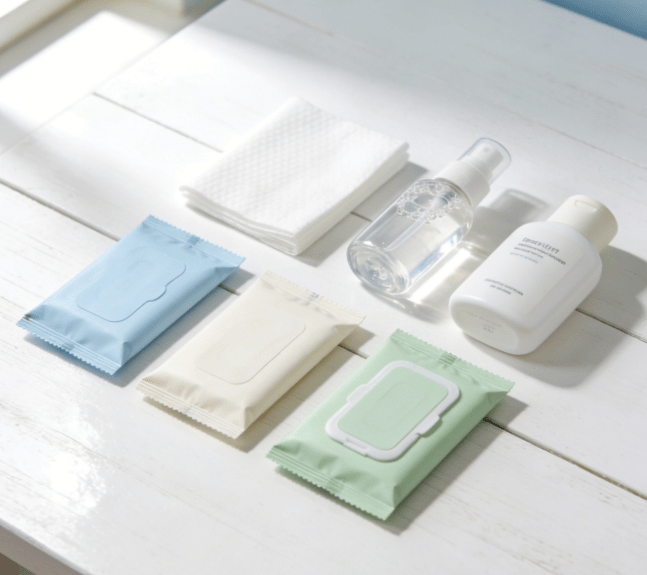
A: Public toilets in core business districts of first- and second-tier cities, A-level scenic spots, and transportation hubs in China have generally provided free toilet paper in 2026. However, public toilets in counties, towns, remote scenic spots, and rural areas still mostly do not provide relevant supplies. Therefore, it is still recommended that you carry pocket tissues or small packs of facial tissue with you at all times to avoid sudden inconvenience. It is also recommended to bring hand sanitizer or antibacterial wet wipes, as soap for hand washing is still not available in public toilets in some remote places.
In China, wet wipes and tissues can be bought at any time in large supermarkets, chain convenience stores, and takeaway platforms, so there is no need to bring a large amount in advance. For example, a pack of 8 portable wet wipes that kill 99.9% of bacteria costs about 3-4 US dollars, and you can buy them as needed after arrival.
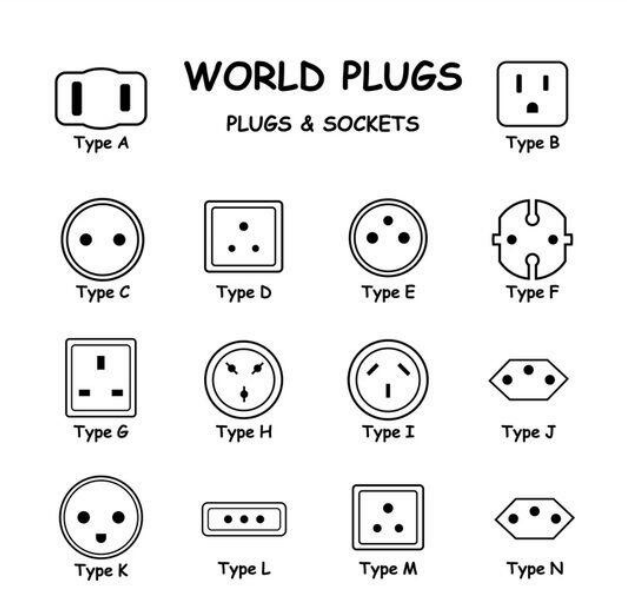
Q: Do I need a universal charger/adapter for China travel? My chargers are European Type-C.
A: In 2026, the vast majority of foreign-related hotels and chain hotels in China have been equipped with universal sockets compatible with European Type-C, American standard, and British standard plugs, while ordinary budget hotels are still dominated by national standard sockets.
European 2-prong Type-C plugs can be directly inserted into most national standard sockets without an adapter. If you encounter an incompatible situation, you can buy a suitable adapter in domestic convenience stores, supermarkets, or takeaway platforms within 10-30 minutes, and there is no need to bring too many spares in advance.
Q: What are the latest regulations for power banks when boarding and entering China in 2026? What kind of power banks are allowed?
A: According to the current valid regulations of the Civil Aviation Administration of China in 2026, the requirements for carrying power banks are as follows:
Power banks must be carried in carry-on luggage, and are strictly prohibited from being checked in. Shared power banks also follow this regulation.
Power banks with a rated energy ≤ 100Wh can be carried directly without airline approval.
Power banks with a rated energy between 100Wh and 160Wh can only be carried with the prior approval of the airline, and each person is limited to 2 pieces.
Power banks with a rated energy > 160Wh are prohibited from being carried on board.
Only power banks with clear and complete Chinese/English rated energy, voltage, and capacity markings are allowed to be carried. Power banks without markings, with blurred markings, or privately modified are strictly prohibited from being carried on board.
When entering China, there is no additional quantity limit on power banks for personal use by the customs, as long as they comply with civil aviation regulations and are for personal travel use.
2. Regulations on Carrying Medicines for Entry
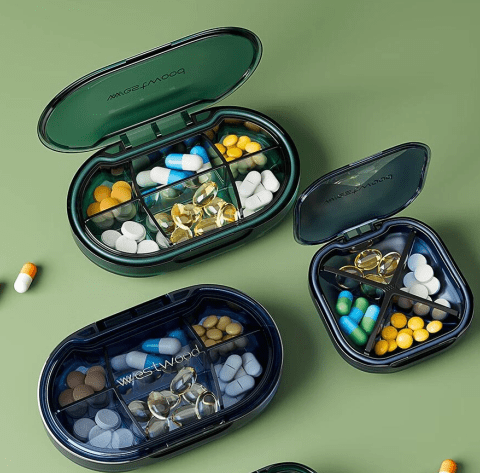
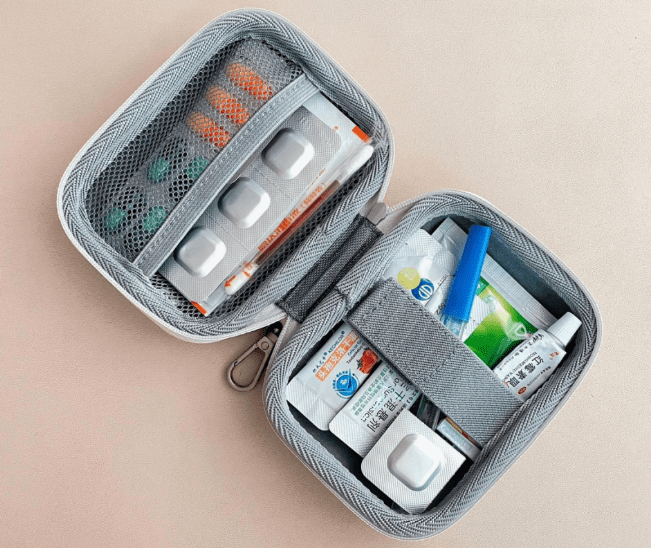
Q: Is it necessary to keep over-the-counter (OTC) drugs in their original packaging when entering China? Can I put them in a portable pill box?
A: According to the 2026 regulations of China Customs on the entry of personal articles, China Customs has no strict original packaging requirements for OTC drugs as for prescription drugs. For short-term travel (within 30 days), carrying OTC drugs (such as 10-15 ibuprofen tablets) not exceeding the 30-day dosage in a portable pill box is generally acceptable, and you will rarely be interrogated by the customs.
If you carry more than the 30-day personal dosage, it is recommended to keep part of the original packaging and drug inserts for customs inspection. The safest compromise solution is to put most of the drugs in a portable pill box, and carry the smallest original packaging / drug insert of each drug to prove the name, ingredients and purpose of the drug. You can also label the pill box with the drug name, dosage and administration method in English for quick identification by the customs.
Please note that the amount of OTC drugs should be limited to the reasonable dosage for personal use during the trip, to avoid the suspicion of “suspected smuggling” caused by carrying a large amount. Many tourists have reported that they will almost never be interrogated by security or customs when carrying a small amount of short-term self-use OTC drugs in and out of China or taking domestic transportation.
Q: What are the regulations for bringing prescription drugs into China in 2026?
A: According to the current regulations of China Customs and the National Medical Products Administration in 2026, the following requirements must be strictly followed when bringing prescription drugs into China:
The drugs must be kept in their original packaging, and you must carry the doctor’s English prescription, which indicates the patient’s name, generic name of the drug, dosage, course of treatment, date of issue, doctor’s signature and professional qualification number.
The quantity carried must not exceed the course dosage indicated on the prescription, and the maximum is no more than 3 months of personal use dosage.
Prescription drugs must not be repackaged, and the original packaging and corresponding prescription must be retained throughout the journey, otherwise the customs have the right to detain them in accordance with the law.
It is prohibited to carry drugs containing controlled ingredients in China such as ephedrine, morphine, strychnine, caffeine, oxycodone (such as some cold medicines, painkillers, sedative drugs), and you need to check the ingredients of the drugs in advance.
Q: Can I bring PrEP (HIV pre-exposure prophylaxis drugs) into China without a doctor’s prescription in 2026?
A: PrEP (the main ingredients are emtricitabine/tenofovir) is a prescription anti-HIV drug, which has been clearly included in the category of personal prescription drugs that can be legally entered into China in 2026. China Customs follows the principle of “personal use and reasonable quantity” for the entry of such drugs.
Even if you do not have a doctor’s prescription, as long as you can provide the relevant collection certificate to prove that the drug is for personal prevention, and the quantity carried does not exceed the 30-day travel dosage, the customs will generally release it. PrEP is not a controlled narcotic or psychotropic drug in China, so no prior administrative permission is required, and you only need to cooperate with the routine inspection of the customs.
At the same time, it is supplemented that in 2026, tertiary hospitals and CDCs in most cities in China can standardly issue PrEP prescriptions, so there is no need to carry a large amount from overseas.